A production-grade, role-based member management platform built for secure operational control, user administration, and analytics. I worked as a Frontend Engineer, collaborating closely with backend and DevOps teams to deliver a scalable and secure system.
Note: Client details, live URL, and real data visuals cannot be shared due to confidentiality.
Overview
The system was designed to manage members, roles, internal workflows, and operational reporting. It required strict access control, secure authentication, and a structured UI capable of supporting multiple user types with different permission levels.
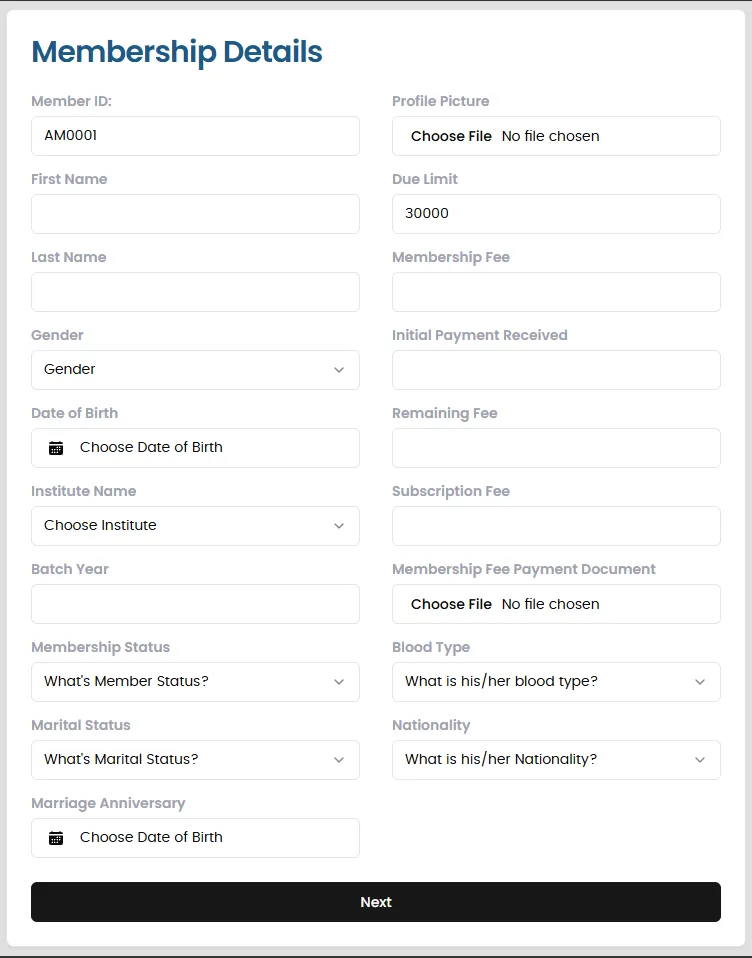
A core part of the platform was a large, multi-step dynamic member form used for onboarding and managing complex member records.
Tech Stack
Frontend
- Next.js
- TypeScript
- Tailwind CSS
Backend & Infrastructure (Collaborative Exposure)
- Django (REST APIs)
- PostgreSQL
- Redis
- Celery (background jobs & scheduled tasks)
- Docker
- AWS SES (email services)
- DigitalOcean (deployment)
Responsibilities
Frontend Architecture
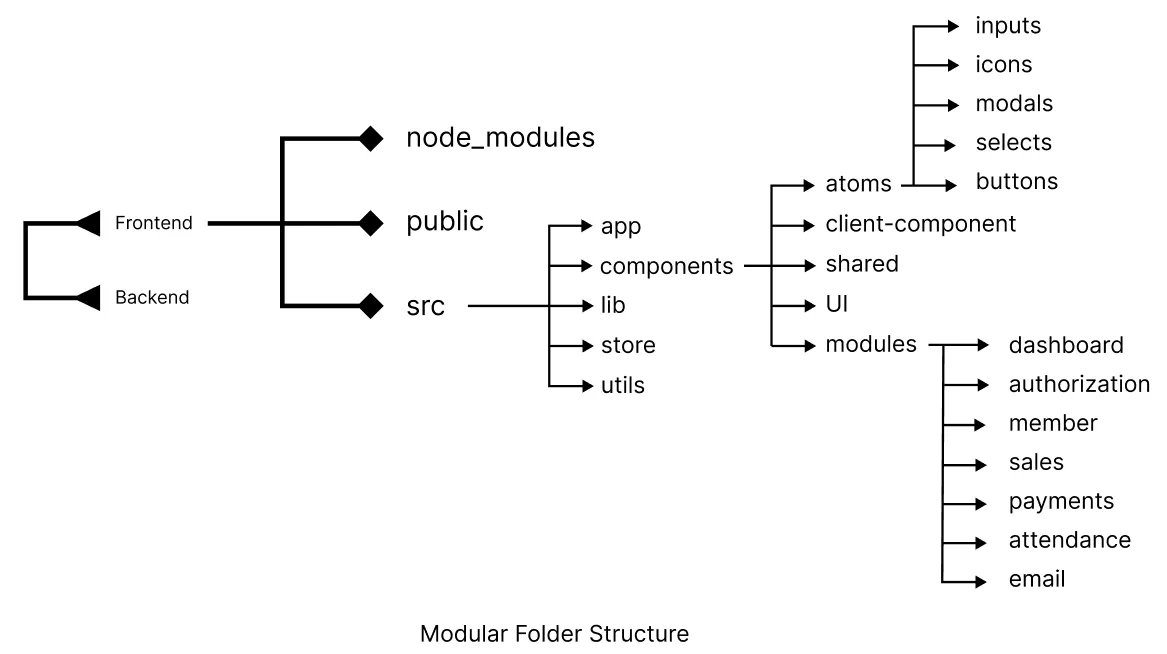
- Researched and defined frontend stack, folder structure, and supporting libraries
- Built scalable and reusable component patterns
- Maintained a consistent design system (fonts, spacing, color usage)
Complex Multi-Step Member Form System
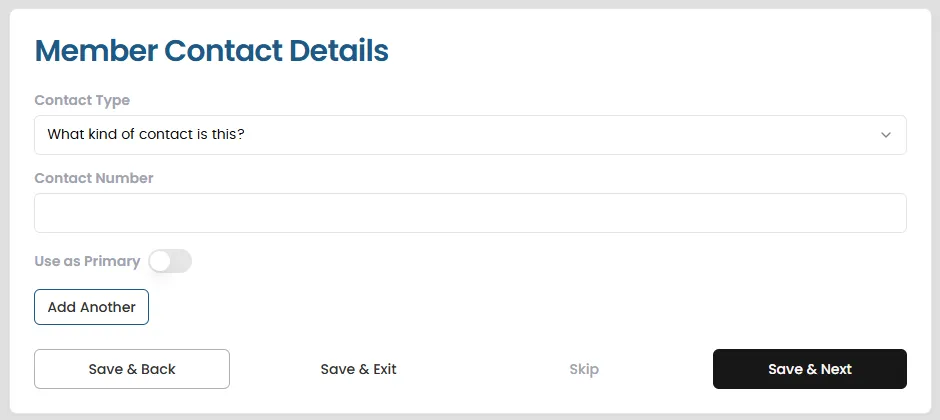
- Built a large, step-based form to handle extensive member data collection
- Divided long workflows into logical steps to improve usability
- Implemented per-step validation instead of blocking the entire form
- Managed conditional field rendering based on previous user inputs
- Preserved form state between steps to prevent data loss
- Supported edit mode with pre-filled dynamic data
- Designed the UI to handle high data density without overwhelming users
Authentication & Authorization
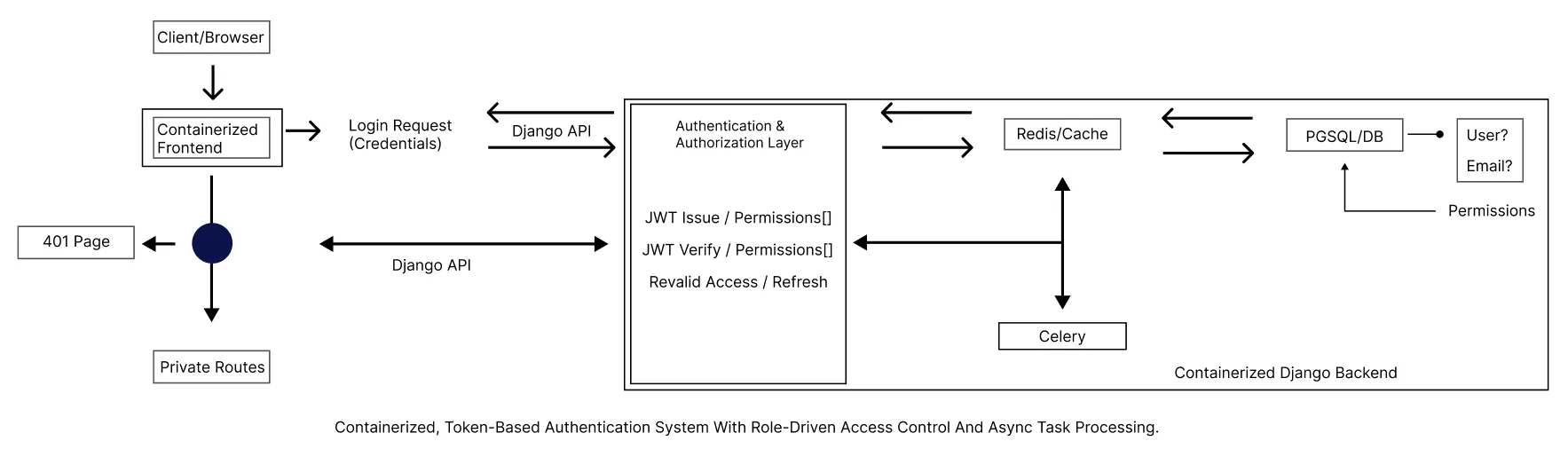
- Implemented stateless JWT authentication flows
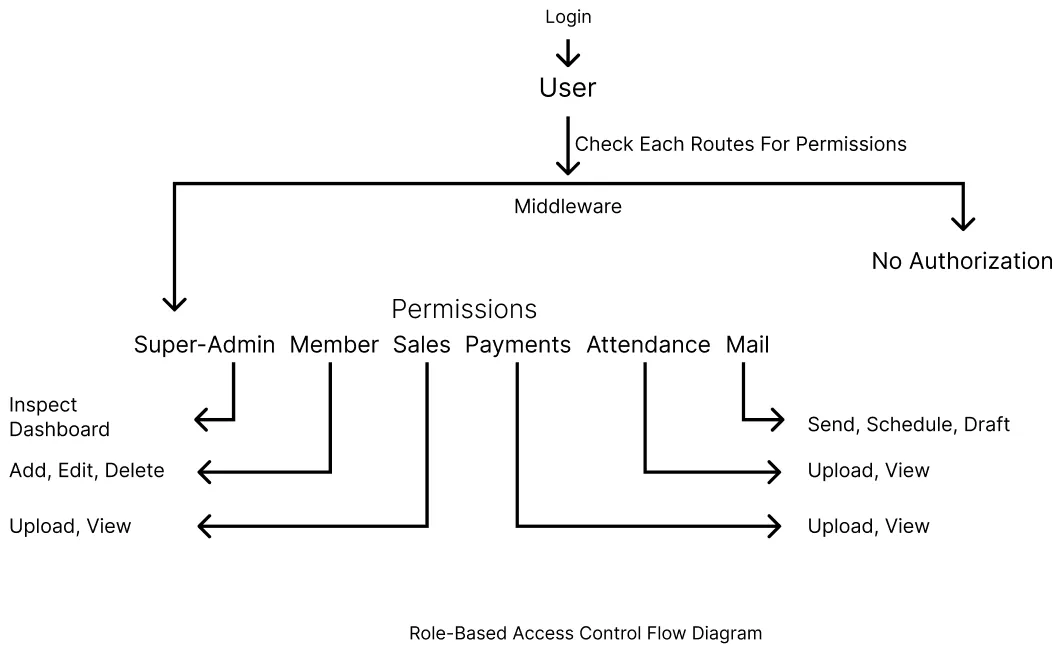
- Enforced role-based authorization using frontend middleware
- Rendered UI elements conditionally based on user roles and permissions
- Integrated with backend security logic powered by Redis and Celery
Dashboard & Analytics UI
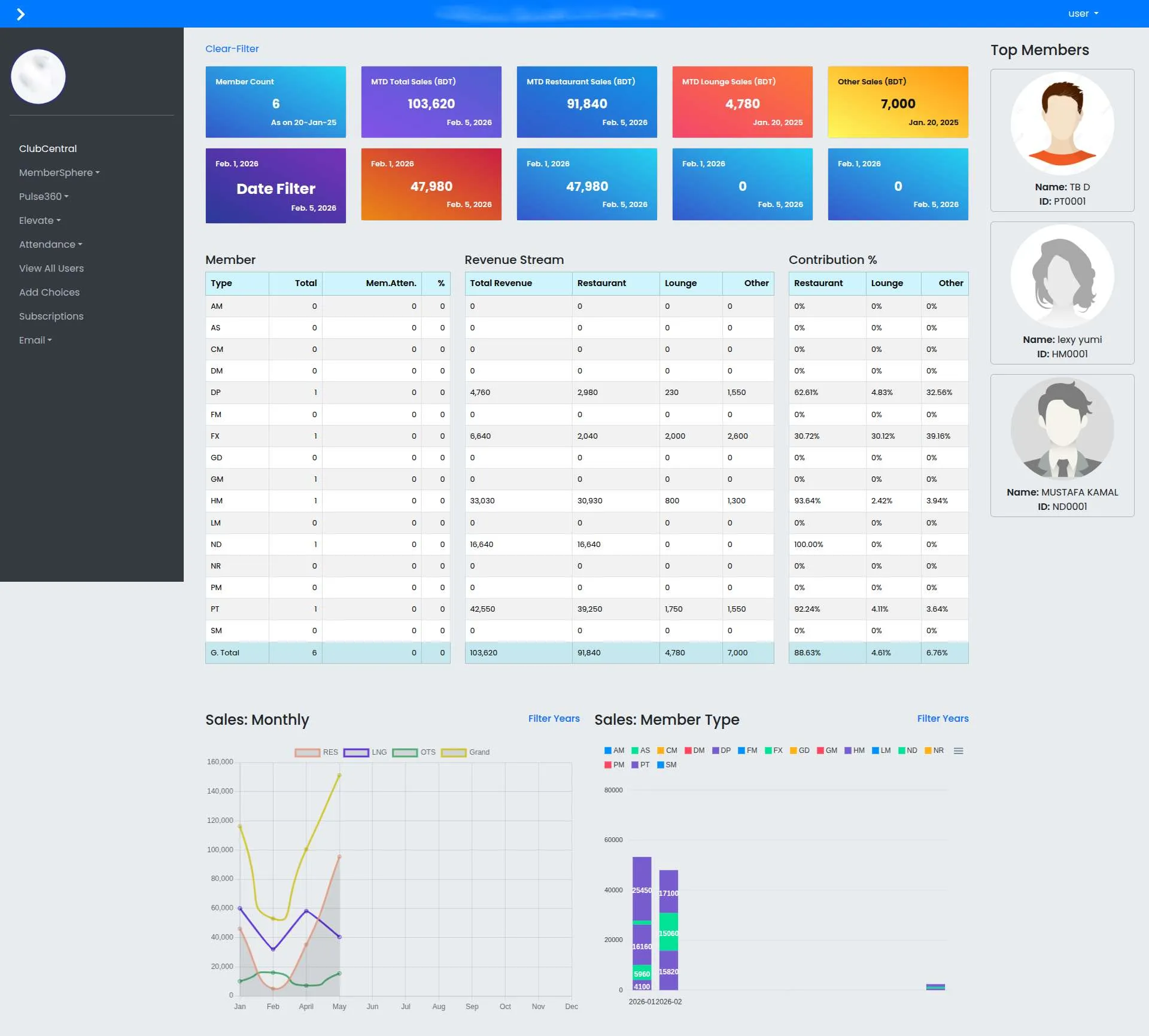
- Built analytics dashboards with charts and summarized data blocks
- Rendered data widgets dynamically depending on permission levels
UX, Performance & Accessibility
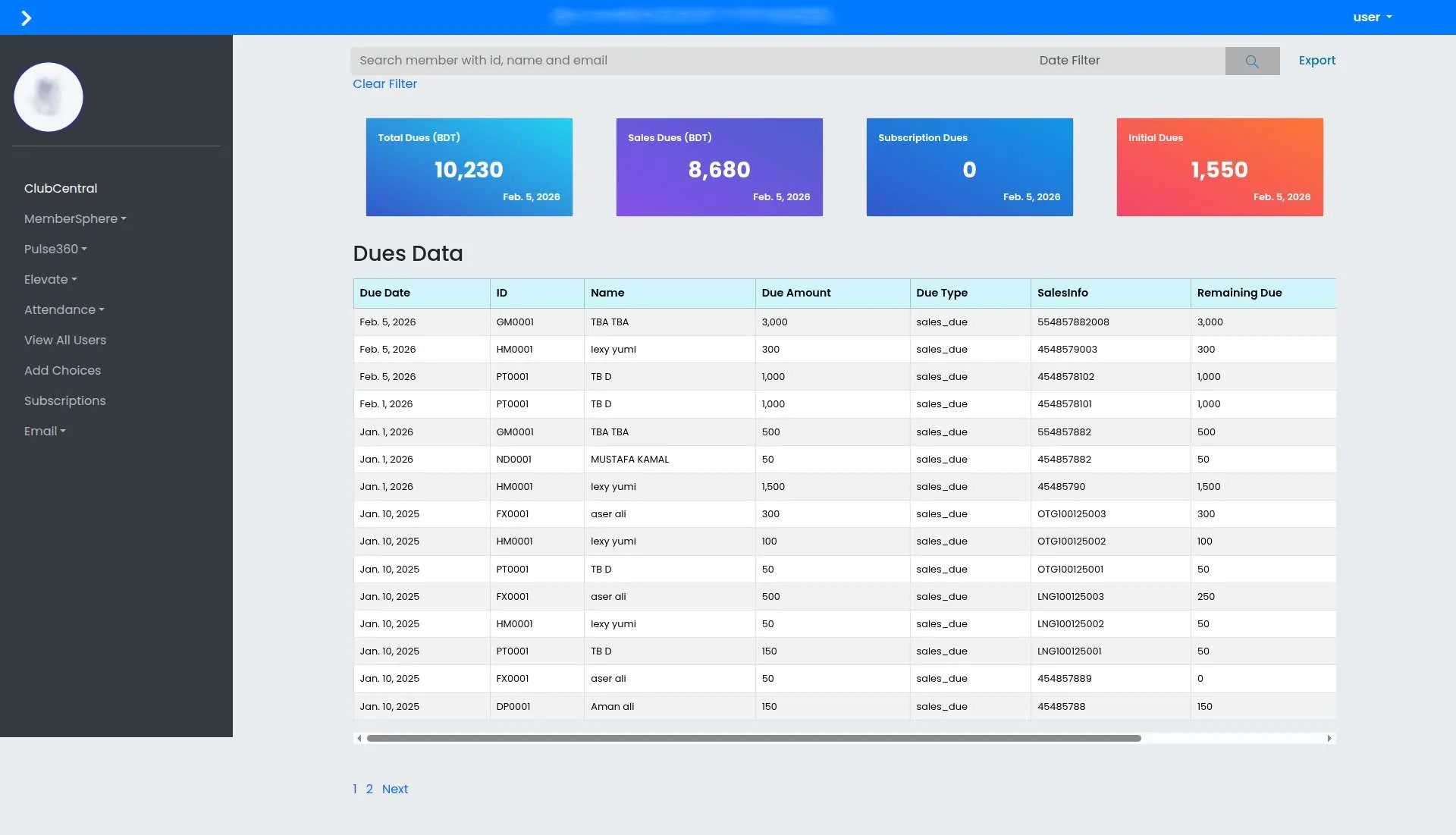
- Optimized heavy data screens for usability and clarity
- Ensured accessibility-conscious UI patterns
- Balanced visual hierarchy with operational data density
- Reduced cognitive load by structuring long processes into guided steps
DevOps & System Integration
- Worked inside a Dockerized environment for consistent development setup
- Coordinated with backend and DevOps teams to maintain API alignment
- Assisted with integration of AWS SES for automated system email workflows
Challenges
- Large and evolving feature scope with frequent new requirements
- Managing complex multi-step forms with conditional logic and dynamic validation
- Handling backend-driven authentication and permission rules
- Learning backend ecosystem tools (Redis, Celery, Django structure) while contributing to frontend delivery
Approach & Solutions
- Used modular component patterns to speed up feature delivery
- Designed a reusable step-based form architecture to manage large workflows
- Centralized access control logic through middleware
- Maintained close communication with backend team for integration accuracy
- Leveraged Docker to avoid environment mismatches across team members
Key Learnings
- Real-world implementation of authentication and role-based authorization
- Designing scalable multi-step form systems for complex data entry
- Practical exposure to Redis, Celery, and backend-driven workflows
- Secure API integration in production-scale systems
- Building stable frontend architecture in a rapidly evolving product
- Understanding containerized team workflows
Outcome
The platform was successfully deployed and is actively used in production. The frontend system supports continuous feature expansion while maintaining performance, usability, and security standards.
The multi-step form architecture significantly improved the usability of complex data entry workflows and became a foundational pattern reused across multiple modules in the system.
This project marked a major step in my transition from UI-focused work to contributing within large-scale, security-focused production systems.